Teacher Tumbler Art: A Designer’s Review
As a designer who has spent years digitizing patterns and reviewing digital assets for the Crafts community, I approach every new file with a mix of curiosity and skepticism. We are constantly bombarded with design assets that look stunning on a screen but fail miserably under the needle. Today, I am taking a close, practical look at Teacher Tumbler Art, Educational Graphic. While the product description explicitly markets this as a sublimation graphic for 20oz skinny tumblers, my interest lies in its potential adaptability and visual strength for broader creative applications. Can this educational-themed graphic translate into a viable machine embroidery design or a high-value print for other handmade goods? Let’s dive into the details.
First Impressions and Visual Personality
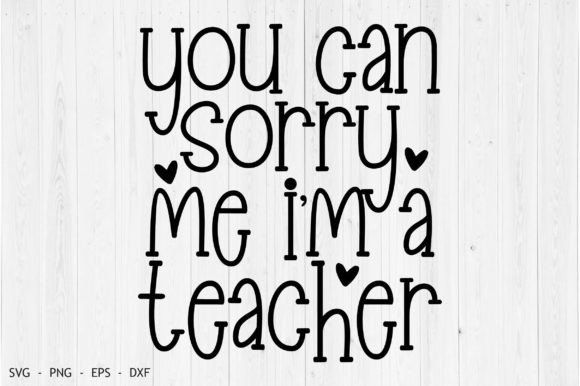
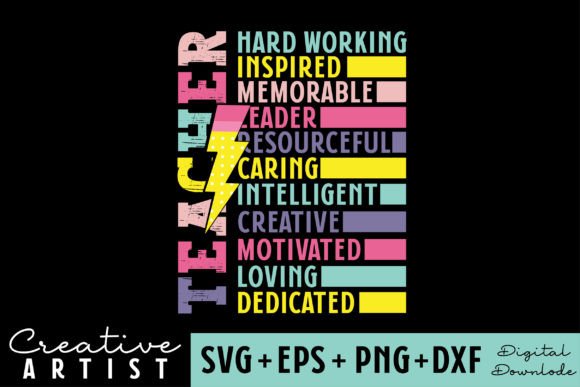
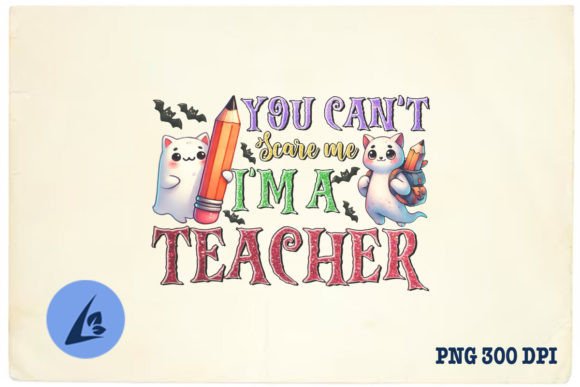
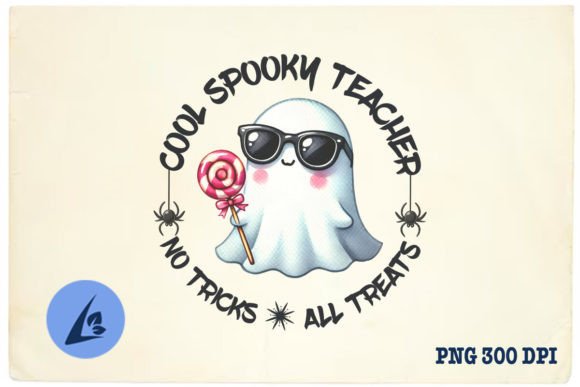
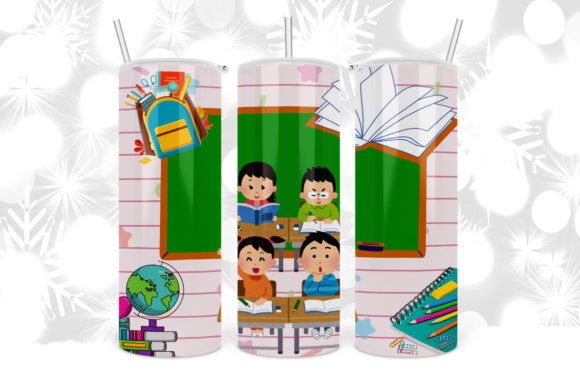
The first thing that strikes me about Teacher Tumbler Art, Educational Graphic is its clear thematic focus. The layout is designed to wrap around a cylindrical surface, which means the composition likely features balanced elements that do not rely on a single focal point in the center. For an educator-themed piece, the mood is typically cheerful, organized, and inviting. In the context of Graphics, this is crucial. If the lines are too thin or the contrast too low, the message gets lost.
When I visualize this artwork beyond the tumbler, I see strong potential for a personalized gift market. Teachers are perennial favorites for custom items. The "educational" aspect suggests icons like apples, books, pencils, or chalkboards. These are classic motifs that resonate well with customers looking for holiday embroidery gifts or end-of-year appreciation presents. The high-resolution PNG format provided in the ZIP file ensures that if you are using this for print-on-demand or sublimation, the edges will remain crisp. However, for those of us thinking about stitching, we need to consider how these shapes translate to thread.
Real-World Application: Beyond the Tumbler
Let’s imagine a real-life scenario. You run a small shop selling custom apparel and accessories. It is August, and back-to-school season is approaching. You have this Teacher Tumbler Art, Educational Graphic file. While it is optimized for a 9.3 x 8.2-inch tumbler wrap, the individual elements within that graphic could be isolated or used as a whole for larger formats.
Consider a heavy canvas tote bag design. If the graphic includes bold, solid shapes, it could work beautifully as a large central print or even be adapted into an applique design where fabric pieces are stitched down to create the image. This reduces stitch count and adds texture. Alternatively, think about a cozy fleece sweatshirt embroidery project. If the design elements are distinct, they could be placed on the sleeve or the back yoke. The key here is scalability. Since the source file is a high-res PNG, you have the flexibility to resize for different hoop size constraints, provided you maintain resolution quality.
For Etsy sellers and craft business owners, versatility is money. A design that works only on one product type is limiting. By viewing Teacher Tumbler Art, Educational Graphic as a collection of educational motifs, you can expand your small shop product line to include aprons, pillow covers, and even embroidered patch creations. The visual appeal of clean, educational graphics tends to build customer trust because it looks professional and intentional, rather than cluttered or amateurish.
Technical Considerations for Stitching
Here is where the experienced designer in me must raise a caution flag. This product is sold as a graphic for sublimation, not necessarily as a pre-digitized embroidery file. If you plan to stitch this, you cannot simply send a PNG to your machine. You must digitize it or use auto-digitizing software with extreme care.
Stitch density is the primary concern. Sublimation prints can handle infinite detail and color gradients. Embroidery cannot. If the Teacher Tumbler Art, Educational Graphic contains tiny text or intricate shading, these will turn into a mess of threads on fabric. You would need to simplify the design significantly. Use satins stitch for borders and text, and fill stitch for larger solid areas. Avoid dense overlapping stitches that can cause puckering, especially on thinner fabrics.
Furthermore, consider the fabric texture. A smooth polyester tumbler coating is very different from a textured cotton towel or a stretchy knit shirt. On a baby embroidery item, such as a onesie, you must ensure the design is not too stiff. Heavy fill stitches can make a garment uncomfortable against sensitive skin. Always use a proper stabilizer—cut-away for knits and tear-away for woven fabrics—to support the stitching and prevent distortion.
Navigating Challenges and Limitations
There are specific situations where you should use this design carefully. First, avoid using complex parts of the graphic on curved surfaces like caps unless you have advanced digitizing skills. The curvature of a cap distorts the image, and what looks straight on a flat printable mockup may look warped when stitched. Second, be wary of dark fabrics. If the graphic relies on light colors for visibility, you will need to adjust your thread colors or add an underlay to ensure the design pops. Contrast is king in embroidery.
Another challenge is washing durability. Items like kitchen towels or aprons undergo frequent laundering. If the design has long, loose running stitches or poorly secured ends, it may unravel. Ensure that your digitizing includes proper tie-offs and that the stitch direction follows the grain of the fabric where possible. For commercial embroidery projects, consistency is vital. Test the design on scrap fabric multiple times before committing to a client order.
Enhancing Brand Value and Customer Engagement
Why does the choice of design matter so much? Because it directly impacts perceived value. A well-executed finished product featuring Teacher Tumbler Art, Educational Graphic signals professionalism. When a customer receives a tote bag or sweatshirt with a clean, well-stitched educational motif, they associate that quality with your brand. This leads to repeat business and positive reviews.
For digital product sellers, offering this graphic as part of a bundle for sublimation can attract buyers who want quick, ready-to-use assets. However, always clarify licensing. Just because you bought the graphic does not automatically grant you the right to resell the digital file itself. Check the terms included in the ZIP file. Usually, you are licensed to sell physical handmade products created with the design, but not the design file itself.
Practical Designer Notes for Success
To get the most out of Teacher Tumbler Art, Educational Graphic, follow these practical steps:
- Test on Scrap Fabric: Never stitch directly on your final garment. Run a test to check tension and thread breaks.
- Check Color Contrast: View the design in black and white to ensure the shapes are distinguishable without color reliance.
- Simplify for Stitching: If digitizing, remove unnecessary details that do not translate well to thread.
- Confirm Hoop Size: Ensure your machine’s hoop can accommodate the scaled version of the design you intend to use.
- Review Licensing: Clearly understand if the license allows for commercial use of physical items.
- Mockup Verification: Use digital mockups to visualize the design on various products before production.
In conclusion, Teacher Tumbler Art, Educational Graphic is a versatile asset for the modern maker. While marketed for tumblers, its educational theme and high-resolution format offer significant potential for custom apparel, home decor, and gifts. By understanding the technical limitations of embroidery and respecting the nuances of fabric and stitch density, you can transform this graphic into a standout embroidery project that delights customers and strengthens your brand. Whether you are an Etsy seller or a hobbyist, thoughtful application of this design can yield beautiful, professional results.