You Can Sorry Me I’m a Teacher: A Designer’s Review
As an embroidery designer who has spent years digitizing fonts and testing stitch paths on everything from thick denim to delicate baby knits, I approach every new machine embroidery design with a critical eye. We have all seen the flood of teacher-themed graphics online, but few translate well into thread. When I first loaded the You Can Sorry Me I m a Teacher file into my software, I was looking for more than just a cute phrase. I wanted to see if the layout held up under the needle, how the typography balanced humor with readability, and whether it offered enough versatility for a serious craft business.
This is not just a digital asset; it is a potential revenue stream for Etsy sellers and boutique owners. Here is my practical breakdown of how this design performs in real-world applications, based on its structure and visual personality.
First Impressions: Mood and Visual Personality
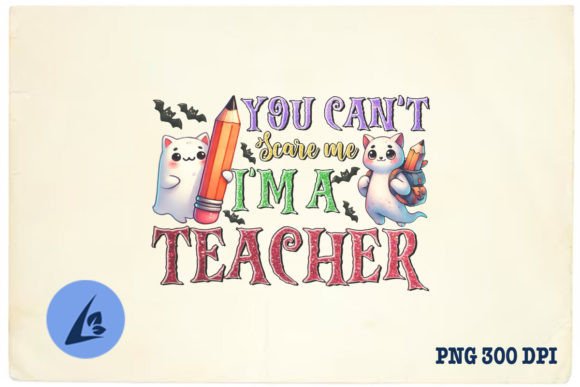
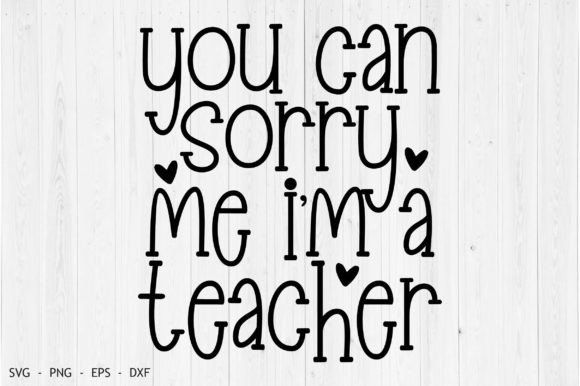
The immediate appeal of You Can Sorry Me I m a Teacher lies in its playful defiance. It captures the exhausted yet loving spirit of educators who need a laugh after a long week of parent-teacher conferences. Visually, the design relies heavily on typography. In the world of Graphics and Crafts, text-based designs are tricky. If the kerning is off or the letters are too thin, they disappear into the fabric texture.
From a design perspective, this piece feels balanced. It does not rely on overly complex illustrations that might clutter a small hoop. Instead, it lets the message do the heavy lifting. The mood is lighthearted, making it an ideal candidate for personalized gifts that feel relatable rather than generic. For a designer, this simplicity is a strength. It means fewer jump stitches, less trimming, and a cleaner finished product that looks professional rather than homemade in a messy way.
Real-World Application: The Tote Bag Test
To truly evaluate an embroidery file, you have to imagine it on a physical item. I mentally placed this design on a canvas tote bag, a staple for teachers carrying graded papers and lunch boxes. Canvas is a forgiving medium, but it has a distinct weave. A design like this needs sufficient stitch density to cover the fabric grain without puckering.
If I were producing this for a small shop product line, I would pair it with a neutral-colored tote—olive green, navy, or natural beige. The contrast between the thread and the fabric is crucial here. Because the phrase is humorous, it works best when it is instantly readable from a distance. On a tote, centered on the front panel, it becomes a statement piece. It transforms a utility item into a handmade product with personality. This is exactly the kind of item that sells well at craft fairs or as part of a back-to-school collection.
Versatility Across Apparel and Home Decor
Beyond totes, this design shines in custom apparel. Imagine it embroidered on the chest of a cozy crewneck sweatshirt. Teachers live in comfortable clothes, and a well-placed embroidery adds value to a basic garment. However, placement matters. On a sweatshirt, the fabric is thicker and often fleeced. You must ensure your stabilizer choice is robust enough to prevent the design from sinking into the fleece. A cut-away stabilizer would be my go-to recommendation here to maintain the integrity of the lettering over time.
For those interested in baby embroidery or nursery decor, this design might be less suitable due to the sarcastic tone, but it could work wonderfully on a teacher’s apron or a classroom pillow cover. It fits naturally into the category of holiday embroidery gifts, particularly for Teacher Appreciation Week or Christmas presents from students’ parents. The key is matching the product to the recipient’s sense of humor.
Technical Considerations for Embroiderers
While the aesthetic is strong, technical execution determines whether the project succeeds or fails. Since this is a text-heavy design, pay close attention to the smaller letters. In many digital downloads, tiny serifs or intricate loops can cause thread breaks or bird’s nests if the digitizing is not precise. Before committing to a final embroidery project, always run a test stitch-out on scrap fabric similar to your final material.
Here are specific areas where caution is needed:
- Hoop Size Constraints: Ensure the design fits comfortably within your hoop without hitting the edges. Crowding the hoop can lead to uneven tension.
- Fabric Texture: On textured fabrics like terry cloth or waffle knit, the details of the letters may get lost. Consider using a slightly larger size or bolder thread weight if available.
- Stretchy Fabrics: If applying this to a t-shirt, use a high-quality cut-away stabilizer. Text designs distort easily on stretchy materials if not properly supported.
- Thread Color Contrast: Avoid low-contrast combinations. White thread on light gray fabric will render the joke invisible. Test your thread colors against your fabric swatches first.
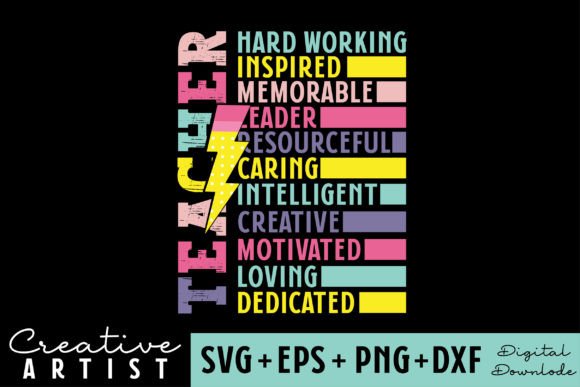
It is also worth noting what you receive. The package includes SVG, DXF, and EPS files. These are primarily vector graphic formats used for cutting machines and graphic design software. If you are planning to use this strictly for machine embroidery, you must confirm if native embroidery formats (like PES, DST, or JEF) are included in the zip or if you need to digitize these vectors yourself. Many digital embroidery file listings confuse cutting files with embroidery files. Clarifying this before purchase saves significant time and frustration.
Commercial Viability and Brand Consistency
For commercial embroidery professionals, consistency is key. This design offers a clean look that aligns well with modern, minimalist branding. It does not look dated or overly clip-art-ish, which helps maintain a professional image for your design assets. When creating printable mockups for your online store, this design photographs well because the lines are distinct. Clear imagery leads to higher click-through rates and better customer trust.
However, always verify the license terms. Just because you downloaded the file does not automatically grant you the right to sell thousands of units. Check if the creator allows for commercial use on physical items. Most designers allow selling finished embroidered patch items or apparel, but reselling the digital file itself is almost always prohibited. Respecting intellectual property builds a sustainable community for all creative entrepreneurs.
Final Verdict
The You Can Sorry Me I m a Teacher design is a solid addition to any educator-focused portfolio. It balances humor with clean typography, making it versatile for sweatshirt embroidery, totes, and accessories. Its success depends on your technical preparation: choosing the right stabilizer, testing on scrap fabric, and ensuring high contrast between thread and fabric.
For makers and hobbyists, it is a fun project that yields a giftable result. For business owners, it is a reliable seller if marketed correctly. Just remember to check the file formats carefully to ensure they match your machine’s needs. With proper execution, this design delivers both charm and professionalism, proving that even a simple phrase can carry significant weight in the world of handmade goods.